I received a series of texts the other day from a friend who Iconstantly tell to eat more. It included statements such as “I’m eating more protein, and I’m getting skinnier.” It also included this gem: “People are telling me that I’m skinnier, but the scale says the same thing…” My response: “Is this a serious text?” Her response: “No, because muscle is denser than fat.” I was trolled.
I came across the picture below earlier, and thought it would be perfect inspiration to discuss some basic thoughts on body composition. Here we go:
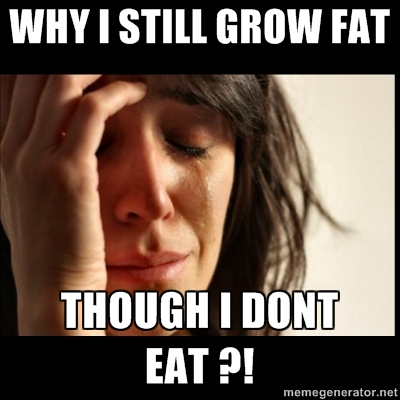
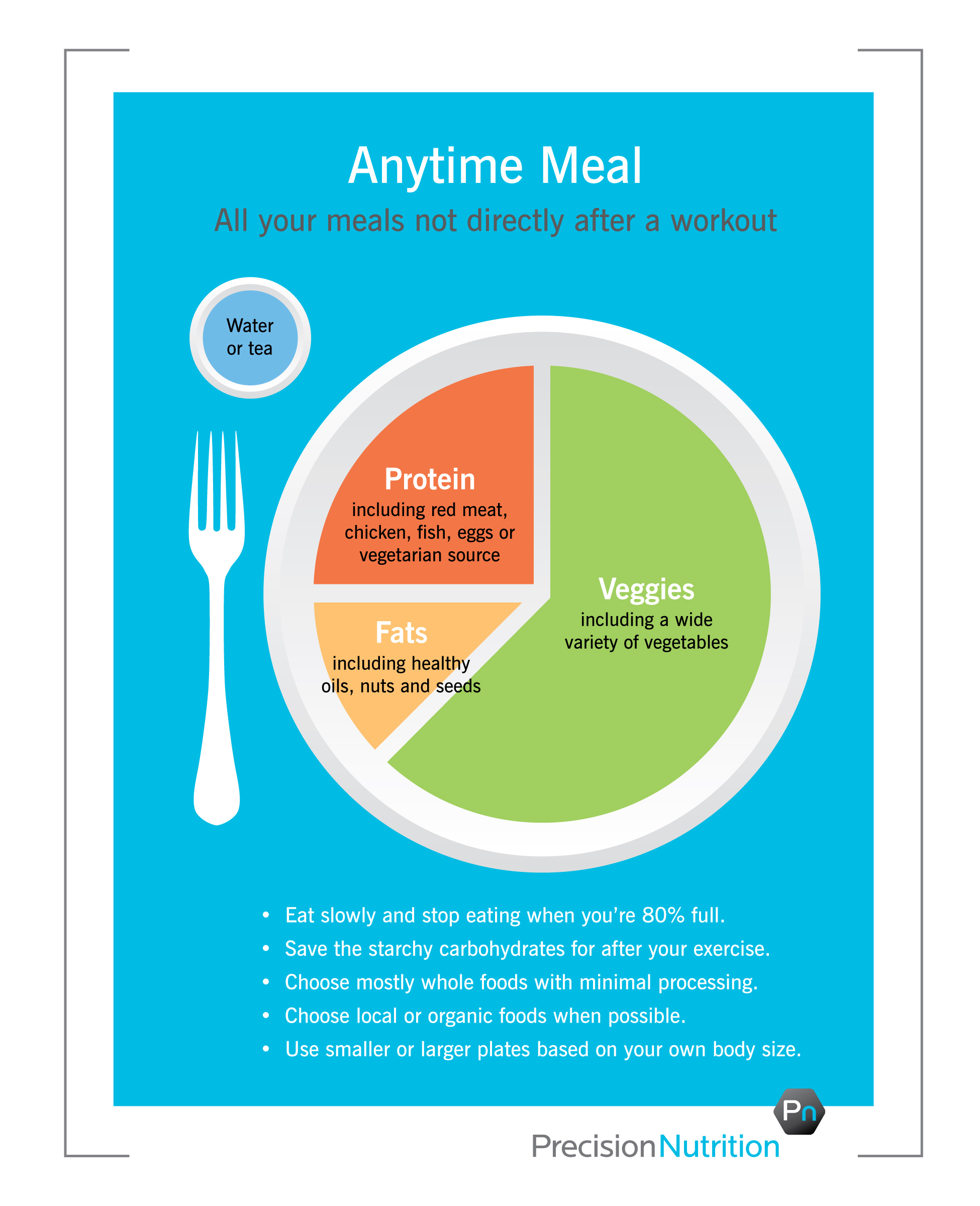
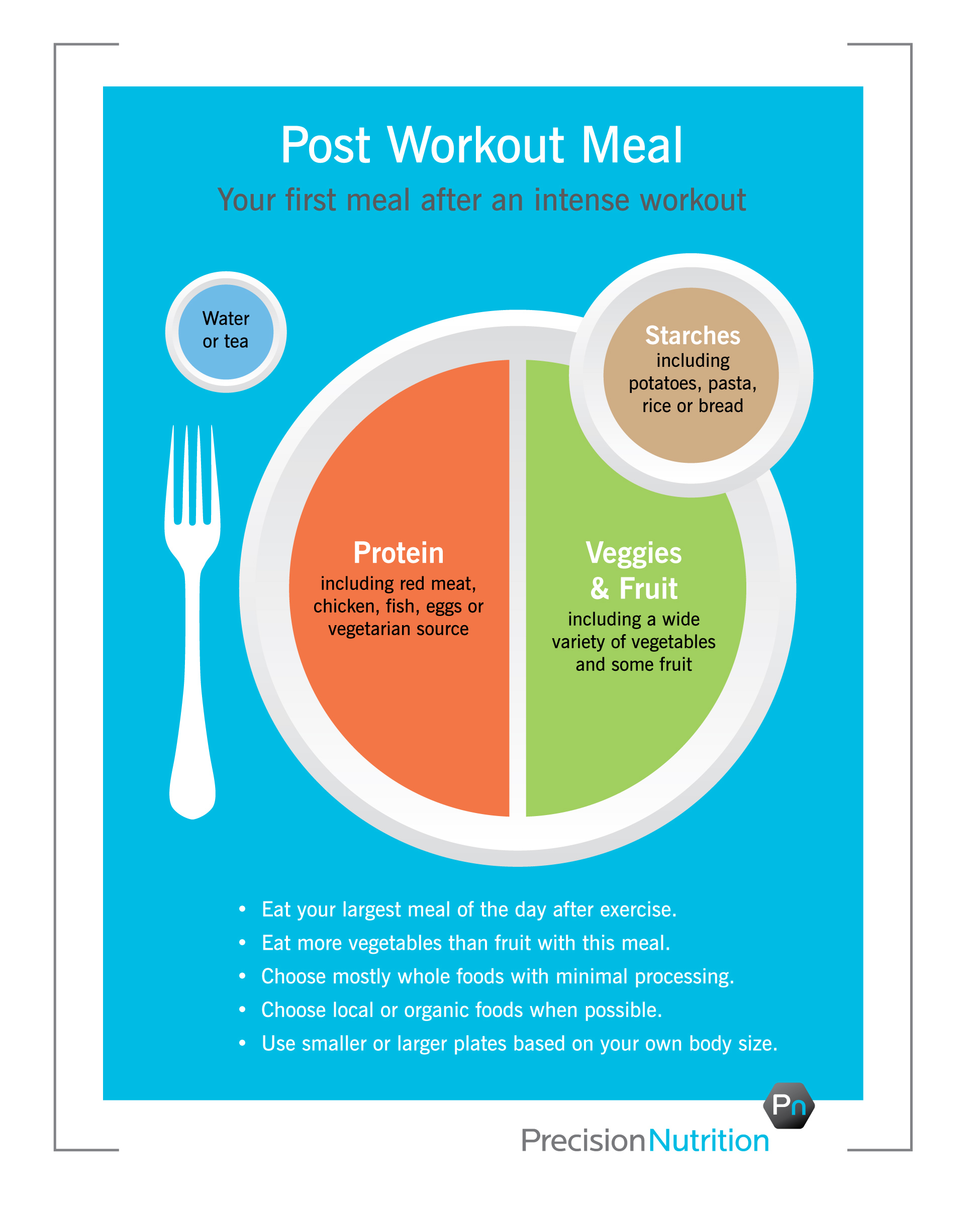
1.) You are eating; stop kidding yourself. Controlling for that, perhaps you’re eating the wrong foods at the wrong times. Fruits and vegetables are a good place to start, but don’t limit yourself to cucumbers. Protein sources are important, and will provide a greater impact on lean body mass and fat mass then simply cutting calories and eating less. Limit the processed foods as much as possible, and if you do indulge, pre/post workout is a good idea. Here are two ‘plate’ demonstrations from the good folks at Precision Nutrition:
2.) How active are you? This includes through out the day, from when you wake up until when you go to bed. Diet is one of the most important factors, but if you spend all of your waking hours sitting in cars, at work, and back home on your couch, that might be an issue.
3.) Accounting for all of your activity, strength training is probably the most important thing you can do for body composition. If you’re a total couch potato, or are looking to increase your levels of physical activity, strength training would be the place to start. For the sake of brevity, picking up heavy shit will work for just about every goal people have. This includes men and women of all ages and walks of life. If you want to run faster when you play sports, play more golf now that you’re retired, or look better in a bikini; getting stronger will help.
4. ) Once you take care of strength training, look at what you consider “cardio”. Most of us grew up thinking that cardio was lower-intensity, longer duration activity. Going for a jog, swimming for 30 minutes, dancing away the pounds in Zumba; all aerobic activities. Sure they work, and if you enjoy them, keep up the hard work. When considering effectiveness though, you’ll get more from shorter duration, higher intensity activity. It induces higher metabolic demands, mobilizes more fat, and has a more desirable endocrine response. High(er) Intensity Interval Training can be overused, and if you’re lifting and using HIIT, you may find yourself worn out. Depending on how you recover and are planning your training sessions, you can incorporate HIIT training in several ways. Two of my favorite ways would be as finishers after lifting sessions, as well as to start individual training sessions.
I typically recommend that finishers are somewhere in the 8-15 minute range, depending on the strength training used in the workout. My go-to examples include sprinting, both on tracks or hills; pushing the Prowler; swinging a kettlebell; or any series of body weight exercises. I understand that Prowlers and Kettlebells aren’t readily available for most people, so if you have them, use them. If not, you may enjoy something as simple as performing a circuit of push-ups, body weight squats, and prone alternating toe-touches:
If your programming calls for stand-alone conditioning sessions, I’d recommend completing your higher intensity work at the beginning of the session. You’ll be fresh from a neural and metabolic stand point, so you’ll be able to sprint faster/harder, and the higher intensity work will increase fat mobilization, which you can metabolize during the lower intensity ‘endurance’ work you may be doing after that. I’d like to recommend completing this training in a fasted state, if possible, but you may hate me if you try to run sprints then jog in a fasted state. Good luck!
6.) Once your diet, lifting, and conditioning is taken care of, it can’t be problematic to include more traditional aerobic exercise. Oh, you want to take a kickboxing class? Break out the Taebo moves and go to town, it’ll be fun.
Like most things in life, improving health and fitness levels should start with working smarter, then working harder. Address diet, strength training, and conditioning before you start packing in hours and hours of slow steady cardio. You’ll see better results in less time, and I’m sure you’ll have loads of fun.


 Harold Gibbons | MovementGPS
Leave a reply to Inspired Fit Strong – Най- интересните статии, които прочетох: 04/21/12 Cancel reply